
Phototanning and prolonged sun exposure can lead to various skin concerns including premature aging, pigmentation, and an increased risk of skin cancer. Sun damage care focuses on identifying these effects early and providing effective treatments to restore skin health. Dermatologists use targeted therapies to reduce dark spots, repair damaged cells, and protect the skin from further harm, ensuring long-term wellness and radiant skin.
- treatment for sunburn and tanning
- skin rejuvenation for sun damage
- preventive skincare and SPF advice
Regular dermatological care helps detect and reverse early signs of photodamage. Incorporating sun protection and tailored skincare routines can significantly improve skin tone, texture, and overall appearance.
Before
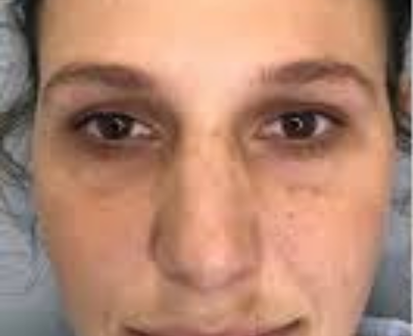
After

faqs
Everything you need to know about phototanning & sun care
Sun damage can be managed with topical treatments, chemical peels, laser therapy, and proper skincare. Early intervention by a dermatologist can significantly improve skin texture and appearance.
Yes, tanning—whether from the sun or artificial sources—damages your skin cells and increases your risk of premature aging and skin cancer. Protective measures like sunscreen and protective clothing are essential.
For daily use, dermatologists recommend a broad-spectrum sunscreen with at least SPF 30. If you're outdoors for extended periods, opt for SPF 50 and reapply every 2–3 hours for full protection.
