
Drug reactions can manifest in various ways on the skin, ranging from mild rashes to severe allergic responses. Accurate diagnosis is crucial to identify the triggering medication and prevent further complications. Skin biopsy is a valuable diagnostic tool used to examine underlying skin conditions, including drug reactions, autoimmune disorders, and unexplained lesions. It enables precise treatment and improved outcomes.
- evaluation of adverse drug reactions
- diagnostic skin biopsy procedures
- allergy-related skin assessments
Early identification and intervention in drug-related skin issues are essential. A skin biopsy, performed under sterile conditions, allows dermatologists to understand the exact nature of skin changes, guiding effective treatment and patient safety.
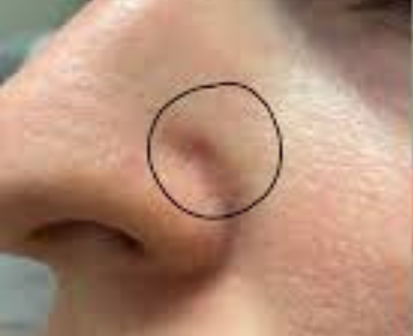
Before
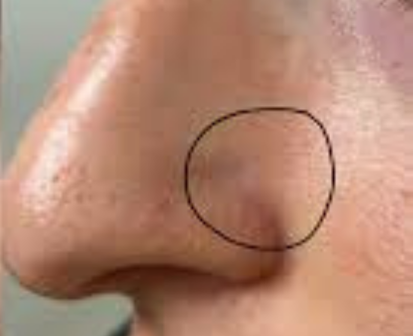
After
faqs
Everything you need to know about drug reactions & skin biopsy
If you experience a new or worsening rash, itching, swelling, or any unusual skin change after taking a medication, consult a dermatologist immediately. Prompt evaluation helps prevent severe complications.
Skin biopsies are generally safe and performed under local anesthesia. You may feel slight discomfort, but the procedure is quick, with minimal risks and helps greatly in identifying the cause of skin problems.
Yes, most health insurance plans cover dermatological procedures like skin biopsies and treatments for drug reactions. It's recommended to confirm specific coverage details with your provider.
