
Sexually transmitted skin diseases (STSDs) are infections that primarily affect the skin and mucous membranes of the genital area, often resulting from intimate contact. These conditions include herpes simplex, genital warts, syphilis, and molluscum contagiosum. Early diagnosis and treatment are critical to managing symptoms, preventing transmission, and avoiding complications. Dermatologists play a key role in providing both medical care and confidential patient education for effective management of STSDs.
- genital herpes and wart treatments
- syphilitic skin lesions diagnosis
- molluscum contagiosum care
Prompt medical attention can significantly reduce the severity and spread of these infections. Confidential consultations and targeted therapies ensure patient comfort, safety, and long-term skin health.
Before
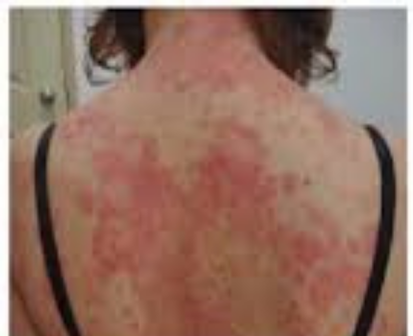
After

faqs
Everything you need to know about STSD care
Common symptoms include sores, ulcers, warts, rashes, or bumps in the genital or anal area. Itching, burning, or discomfort may also occur. Some infections can be asymptomatic in early stages.
Most STSDs are manageable with appropriate treatment. Bacterial infections like syphilis can be cured with antibiotics, while viral conditions such as herpes can be controlled with antiviral medications to reduce outbreaks.
Yes, all consultations and treatments for sexually transmitted skin diseases are handled with the utmost confidentiality and sensitivity, ensuring patient privacy and comfort.
